
Current publishing
6
First-party journal entries published on v2 and optimized to rank as original GGG content.
This journal is now GGG-native and SEO-capable: server-rendered, canonically structured, and split cleanly between new publishing on v2 and the legacy archive from the original site. New entries build topical authority. Legacy entries preserve continuity. Every item is now tagged by institutional role and linked back into the registry, apothecary, research, press, releases, or vision where appropriate.
First-party journal entries published on v2 and optimized to rank as original GGG content.
Original-site posts preserved in the new journal without losing their historical attribution.
Structured metadata, clean canonicals, RSS, and archive-aware routing now support ongoing publishing.
GGG is not publishing into a vacuum. The journal inherits a dated archive, a media kit, documented awards, public coverage, and a living registry. That history makes new publishing more credible, more rankable, and more useful to serious readers.
The public-facing GGG record is anchored to 2009, while formative prehistory from 2008 remains documented in the deeper legacy timeline.
The legacy media kit credits GGG with more than 400 unique crosses, including Grape Stomper, Mendo Breath, Mango Puff, and High School Sweetheart.
The historical company record notes three consecutive High Times Cannabis Cup championships in 2016.
The TTAB record preserves Gage Forums, Gage Green Gatherings, the ICMag Gage Green Genetics board, and a tester program described as beginning on the GGG boards in 2010.
A recent public appearance that keeps GGG visible inside grower, breeder, and industry conversation.
The media-kit archive records a featured 2024 guest appearance, extending GGG into a mainstream cultivation-media audience.
Referenced in the original media kit as a 2023 feature, reinforcing GGG's role in organic cultivation discourse.
The media-kit archive records dedicated 2023 storytelling around Mendo Breath, turning a cultivar into a cultural artifact rather than a catalog SKU.
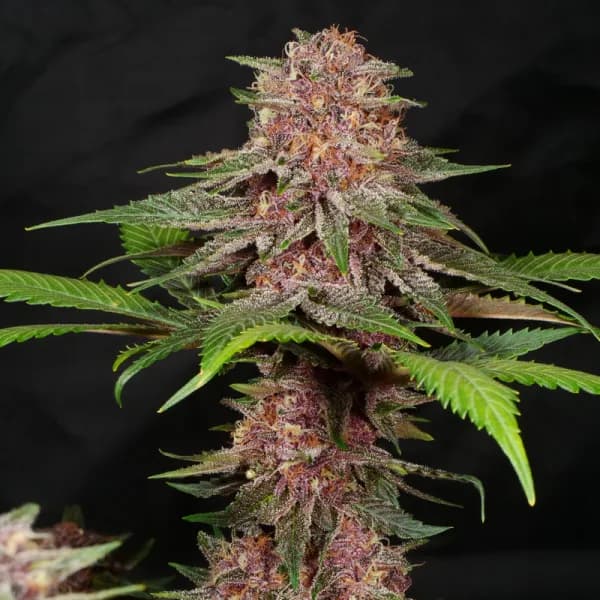
A stronger public genetics culture begins with lineage literacy: understanding how foundational work turns into modern breeding programs, modern releases, and modern myths.
Supports the science, cultivation, and applied-healing thesis behind the registry and apothecary.
These are the first-party entries we can grow into a high-authority publishing program: original reporting, scientific commentary, breeder perspective, and institutional writing that belongs to GGG.
Archive entries are kept visible and internally navigable, but they remain attributed to their original URLs so the historical record stays intact.
Each cluster routes readers into the adjacent archive, registry, or corporate pages so the journal strengthens the whole house.
Science entries lead into field research, archive essays, and cultivar-level evidence.
Genetics stories route into the live registry, cultivar dossiers, and lineage archive.
Expansion, institutional positioning, and market-facing narratives connect into the ecosystem and vision pages.
The journal can now support recurring science essays, breeding dossiers, product intelligence, natural-farming notes, cultural dispatches, and major company updates while remaining connected to the archive, registry, and media kit.
Publishing is not a side channel. It is how GGG keeps science, culture, and relevance in motion.
Use research for working papers, field notes, and longer-lived reference material.
Open researchThe journal gains weight when readers can move directly into the legacy record.
Enter archiveA strong publishing surface feeds the awards, coverage, and external narrative cleanly.
Open press